Athlete Harassment From Bettors: What the Numbers and the Leagues Say
 Available in US
A Lost Bet Is Not a Player’s Fault
Here is the only sentence in this whole piece I want you to remember if you remember nothing else: a lost bet is not a player’s fault. Not when he goes 1-for-9 from three. Not when he sits out the fourth quarter of a blowout. Not when the coach pulls him with foul trouble. Not when he runs into a defender on a fast break. None of it is the player’s responsibility to your bet slip, and treating it as such is the single ugliest habit in modern sports betting culture.
I write that as someone who has spent more than a decade in NBA props. I have lost plenty of bets to players who did exactly the wrong thing on a given night. I have never sent any of them a message about it, and the idea of doing so still strikes me as both rude and astonishingly unproductive. The NCAA’s January 2026 letter laid out the scale of this problem with hard numbers — survey data showed 36% of Division I men’s basketball players reporting harassment from someone with a betting interest. That is not a fringe behaviour. That is more than a third of an entire population of athletes.
This article walks through what the data says, what the league environments actually look like, what the policies are, and where the line between disappointment and abusive conduct sits.
The NCAA Number That Forced the Conversation
The 36% figure is the kind of number that lands hard because it is not noise. The NCAA national office’s January 2026 letter was the moment college basketball stopped treating bettor harassment as anecdotal and started treating it as a systemic problem. Real-time survey data — collected through NCAA channels — produced that figure for Division I men’s basketball, and the parallel numbers for women’s basketball were also striking enough to warrant a separate conversation.
What the survey did not say is that all 36% of those players received the same kind of message. The category “harassment from someone with a betting interest” covers a spectrum. The mild end is bettors complaining publicly about a missed shot in language that is rude but not threatening. The serious end is direct messages with threats of violence, family-targeted abuse and racially charged content. The same survey did not break those out as separate categories, and it did not need to — the cumulative weight of being inside that 36% is the point.
The NCAA used the letter to push for stricter enforcement on harassment. Sportsbook integrity teams were named as partners. So were social media platforms. The thrust of the message was that the regulated betting industry had created the volume of bettor engagement that produced this behaviour, and the regulated industry had a responsibility to help reduce it.
The NBA equivalent of that survey does not exist in the same public form, but every NBA player I have ever heard speak on the subject has confirmed the same dynamic. The texture of the abuse is similar. The volume is, by any reasonable estimate, comparable. The leagues differ in their response infrastructure, not in the underlying problem.
What the NBA Environment Actually Looks Like
The week-by-week experience of an NBA player on a regulated betting market is something I have come to understand by reading a lot of post-game press, listening to a lot of player podcasts, and noticing how the language has shifted since 2018. Players talk openly now about messages they receive after games. They talk about it because it is part of the job in a way that simply was not true before legal U.S. sportsbooks rolled out across most states.
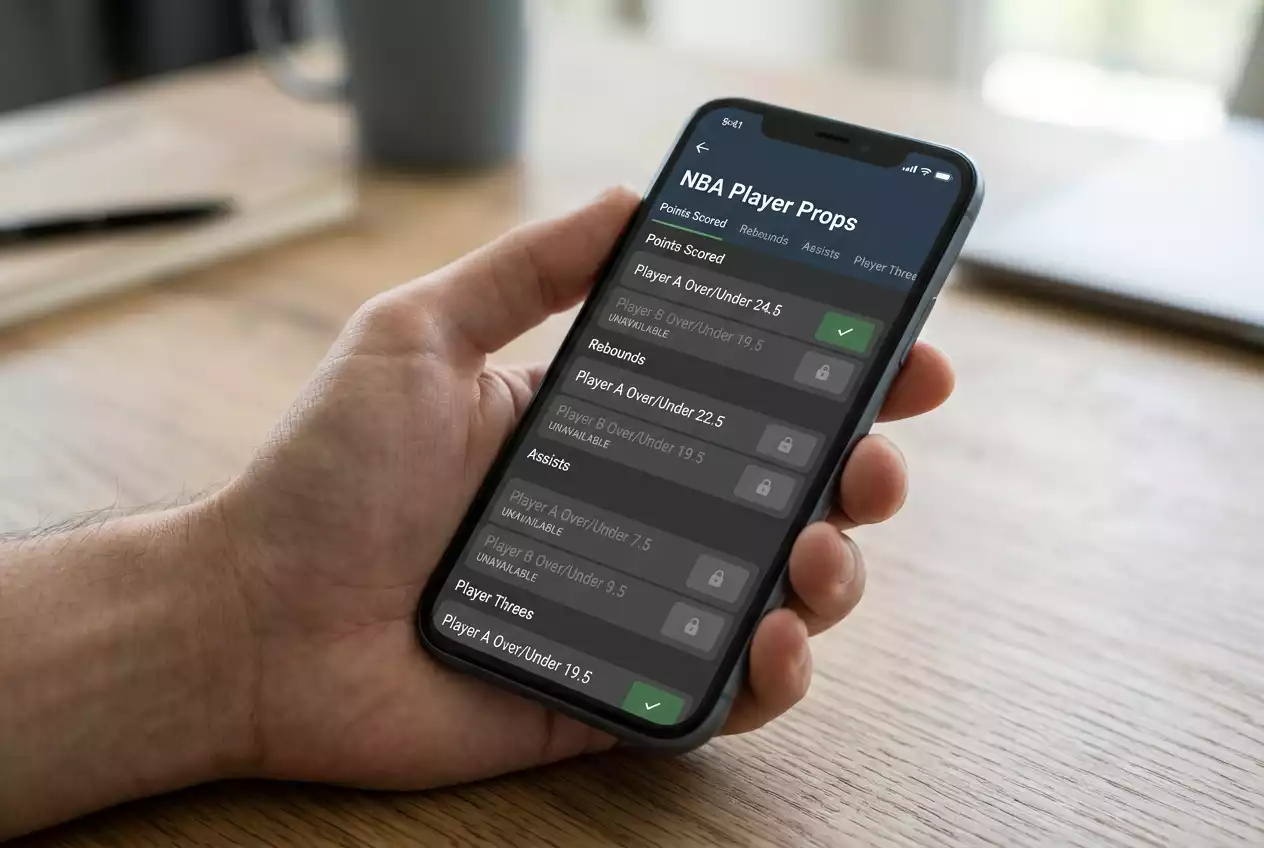
The patterns are predictable. A player who underperforms a points prop will see a spike in hostile mentions and direct messages within minutes of the box score being final. A player who fouls out, leaves with injury, or sits a fourth quarter will see a different but equally vocal cohort. The volume is highest for star players whose props carry the largest stakes, but it is not limited to them — role players whose minutes lines move an over/under can attract the same response on any given night.
What players describe is not always threatening, but the cumulative effect is corrosive. The mid-tier guard whose career involves twenty starts a year does not need a slate of “you cost me money” messages to feel the trade he never made between his actual performance and a stranger’s bet ticket. The star whose every prop is heavily traded does not need much more than a particularly bad shooting night to attract the worst of it.
The clubs respond with social-media training and account management. The league responds with personal-protection guidance. The sportsbooks respond with integrity-team monitoring of accounts that show patterns of post-bet abuse. Each response is necessary; none on its own is sufficient.
League Policies and Sportsbook Responses
The integrity framing matters here because it is what gives leagues and operators a real lever. Adam Silver’s October 2025 comments included the line that there is nothing more important to the league and its fans than the integrity of the competition, and that he had felt physically ill on hearing about the federal cases that month. The same framing — that the integrity of the relationship between players and the betting public is non-negotiable — applies to the harassment question even when individual players are not personally implicated in any wrongdoing.
Sportsbook responses fall into three buckets. The first is account-level enforcement: identifying and closing accounts whose customer-service or social-media footprint shows abusive contact with athletes. The second is reporting cooperation: providing law enforcement with account records when threats cross the criminal threshold. The third is prevention by design: running responsible-marketing campaigns that frame the bettor-athlete relationship in terms incompatible with personal harassment.
The third bucket is the slowest. UK operators have moved more visibly than U.S. ones on this front, in part because UK responsible-gambling regulation has historically pushed harder on tone and framing than U.S. equivalents. The Gambling Commission’s licensing conditions and codes of practice include provisions that bear on advertising tone. Operators that run aggressive-tone NBA campaigns risk regulatory attention, which has a moderating effect on the kind of language that ends up in public bettor culture.
The NBA’s policy infrastructure for athlete protection runs through team security, league-level integrity, and partnerships with sportsbooks and platforms. It is a layered response. None of those layers is, by themselves, the answer. The combination is what gradually moves the dial.
What Personal Conduct Looks Like on the Right Side
This is the part where I get slightly preachy, and I will earn it by being short. If you bet NBA props, you have a relationship with the players whose performances drive your bets. That relationship is one-sided — they do not know you exist, you know more about them than is healthy — but it is real. Treat it with the basic decency you would extend to any other one-sided relationship.
Concretely: do not send messages to players about your bets. Do not message family members. Do not post abusive content tagged at the player’s account. Do not let your social account become a hate-following queue for whoever cost you money this week. None of that is necessary to enjoy NBA props, and all of it makes the ecosystem worse for everyone who shares it with you.
The positive frame is healthier. Treat the bet as a transaction between you and the sportsbook. The player has no role in that transaction beyond playing the game, which they would have played whether you bet on them or not. Channel any complaint into your own process — your own cap rules, your own selection discipline, your own bankroll structure. That is where the upside actually sits. A disciplined approach to bankroll and bet sizing deals with the frustration before it becomes harassment, and it does so by giving you a real lever to pull.
Are sportsbooks taking action against abusive accounts?
Yes, increasingly. UK-licensed operators have escalated their integrity-team monitoring of customer accounts whose social media or messaging patterns show abusive contact with athletes. Account closures, regulatory referrals and cooperation with law enforcement are all in play. The bar is highest for direct threats but accounts can be sanctioned for sustained patterns of harassment short of criminal threshold.
Does the UK have specific guidance on this?
The UK Gambling Commission’s licensing conditions and codes of practice include provisions on responsible marketing tone that bear on the question. There is no UK-specific NBA harassment regulation, but the broader framework regulating operator advertising and account conduct gives the Commission authority to act when operator-facilitated environments produce harassment.
The Game Stops Being Fun When It Stops Being Civil
The 36% figure is the floor of a problem that will not solve itself. Leagues, sportsbooks, regulators and platforms are all moving on it, but the people who can most quickly change the texture of NBA prop culture are the bettors. A bet is between you and the book. A player is not your employee. The sooner that frame becomes universal in NBA prop circles, the sooner the next NCAA survey will show a number that is not embarrassing.
Written by the editors at nba Props Betting.