NBA Back-to-Back Games: Fatigue and Prop Betting Markets
 Available in US
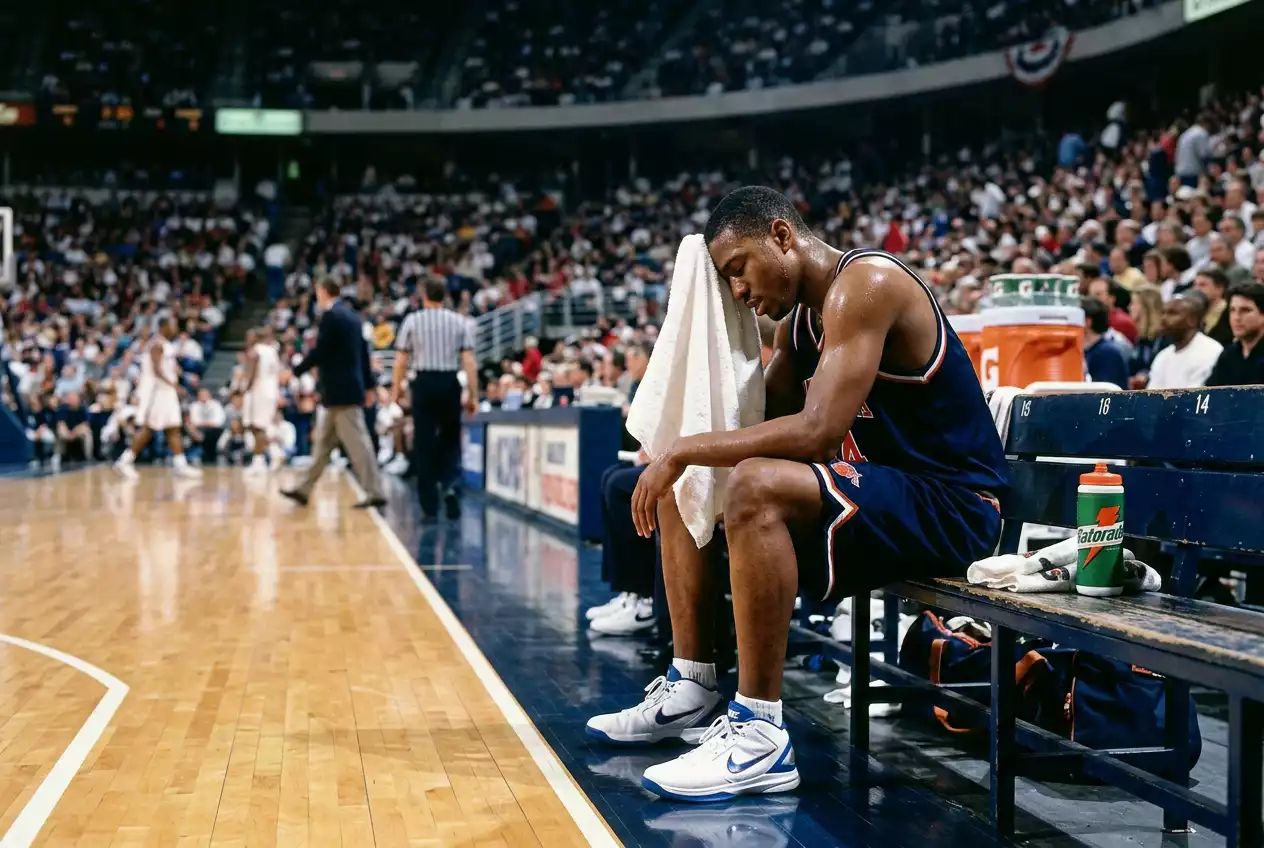
Back-to-Back Schedule Reads: Load Management and Odds
Every season I get asked some version of the same question: “Is the team on a back-to-back? They must be tired, right?” The questioner is usually about to bet the under on a star’s points line, confident they’ve found an angle the books missed. They almost never have.
The books know about back-to-backs. They’ve known for decades. Every UK sportsbook with a serious NBA model adjusts player props on the second night of a B2B before the line ever goes up. The adjustment is modest because the actual statistical impact is modest — a typical star plays 2-3 fewer minutes on the second night of a B2B and produces stats roughly proportional to those minutes. The line moves a quarter-point on points, sometimes half a point. The headline-fatigue narrative outpaces the actual data.
That said, fatigue effects do exist, they’re real, and they show up in specific places that are easier to predict than the broad “they’re tired tonight” framing suggests. The edge isn’t in betting the under on a star’s points line because the schedule looks tough. The edge is in knowing which stat types are actually affected, which players are most exposed, and what the late-evening news cycle is going to do with the line in the hour before tip-off. Done well, schedule reads add a quiet half-percent to a yearly ROI. Done lazily, they cost more than they earn.
The Three Flavours of a Back-to-Back
Not every back-to-back is the same. The differences matter, and treating B2Bs as a single category is the first mistake casual bettors make.
The first flavour is the home-home B2B. Two consecutive nights at the same arena. The team slept in their own beds, ate at their usual restaurants, and took zero flights. The fatigue effect on these is the smallest of the three — minutes hold up, rotations are stable, and the only real impact is on the third or fourth game of a homestand when accumulated load starts to catch up with the older players. For prop purposes, a home-home B2B should barely move the needle on your projection. The book has already priced in whatever sliver of effect is there.
The second flavour is the away-away B2B in the same time zone or a single short flight. This is the standard “tough schedule” night and it accounts for the bulk of B2Bs in any given month. The travel is real but the disruption is moderate. Stars typically lose 1-2 minutes from their normal rotation. Free-throw percentages dip slightly. Shooting variance widens. The book knows all of this and adjusts the lines accordingly. The unders look attractive but they’re often fairly priced, which means there’s no edge in just betting the unders blindly.
The third flavour is the cross-country B2B with a time-zone shift, especially the Pacific-to-Eastern overnight or the back end of an extended road trip. This is where genuine fatigue effects show up in the data. Star minutes can drop by 4-5, not 1-2. Three-point percentages take a more visible hit. Late-scratch decisions become more common, and the line you bet at 5pm might not survive until tip-off when the star ends up “available, but limited” or scratched outright. This is also the flavour that most casual bettors lump together with the other two, which is where the edge lives — when the books know the difference and the public bettor doesn’t.
Where Fatigue Bites: Threes, Rebounds, Free Throws
The mistake I made in my first few years on this was thinking fatigue uniformly suppressed scoring. It doesn’t. It suppresses specific things and leaves others almost untouched, and the pattern is consistent enough across seasons to bet on directly.
Threes are the cleanest fatigue tell. Three-point shooting is a fine-motor skill that depends on legs, and tired legs miss high. The shot release feels the same to the shooter, but the arc shortens by a couple of degrees and the ball comes up short more often than long. On the third flavour of B2B — the cross-country variety — a high-volume shooter’s three-point percentage typically dips 3-5 points relative to his season average. On a player whose threes line is set at 2.5, that’s the difference between a clean over and a coin flip. The under on the third B2B is the angle a lot of sharps quietly play.
Rebounds are where most casual bettors expect fatigue to bite hardest. It doesn’t, much. Rebounding is more about size, positioning and effort than about fresh legs, and the contested-board statistics on B2Bs barely budge. Where rebounds do shift is in the long-board category — players who get rebounds outside the immediate paint area sometimes lose a board or two on tired legs because they don’t quite get to the loose ball in time. But for traditional bigs hauling in defensive rebounds in their own territory, fatigue is a sub-1-board effect on a season basis. Don’t overweight it.
Free throws are the fatigue category most people miss. Free-throw percentage drops on tired legs in much the same way three-point percentage does, but the volume is harder to project — fouls drawn depend on aggression, which can actually go up on B2Bs as players try to draw whistles to rest. For a high-volume free-throw shooter (12+ attempts per game), the made-FT prop on the second night of a hard B2B can go either way. The volume effect and the percentage effect can cancel out, leaving the line roughly fair. For lower-volume shooters whose FT prop sits at 3.5 or 4.5, fatigue effects are too small to bet on directly.
Load Management and Late Scratches
The variable that turned schedule fatigue from a curiosity into a serious prop input is load management. Modern coaching staffs proactively rest stars on the back end of B2Bs, especially older stars and those returning from injury. The decision often gets made on game day, and the announcement comes hours before tip-off. By the time the official scratch hits the wire, the line has already moved.
What this means in practice is that B2B props on prominent stars carry a hidden risk that doesn’t exist on most other nights — the player might not play at all. UK sportsbooks have void rules that handle DNPs and late scratches differently for different prop types. For a player-points prop, a scratch typically voids the bet and returns the stake. For a “double-double yes” prop, the same applies. But for builder legs and same-game parlays involving the rested player, the settlement rules vary by operator, and the smaller print matters more than the headline odds.
The practical move for a UK bettor is to delay placing B2B props until the final injury report drops, usually 30 minutes before tip-off. The line might have shrunk by then if the news is bad, but at least you know what you’re betting on. The alternative — betting at lunchtime on a star’s points line and hoping he plays his usual rotation — is a way to eat a void that you didn’t anticipate. Reading the injury wire is the lowest-cost edge in B2B prop betting, and the same speed-of-read advantage extends well beyond the back end of a hard schedule, which is where the broader walk-through on injury news and late scratches picks up the same thread.
Turning Schedule Reads Into Prop Decisions
The framing I keep coming back to on schedule reads is the one a friend of mine put best when explaining her process: “You calculate expected value by multiplying the probability of each outcome by its payout, then adding those results together. If the total is positive, it’s a +EV bet.” That formulation, which appeared in a Parlay Savant analytics piece earlier this year credited to SheKicks, is the discipline schedule reads need. It’s not “is the team tired, take the under”. It’s “given the schedule, what’s my best estimate of the player’s true probability, and is the line offering a price that makes the bet positive expected value?”.
The decision sequence I run is straightforward. First, identify the B2B flavour — home-home, short-travel, cross-country. Second, look at minutes-played history for the player on the back end of similar B2Bs across the season. Third, check the current injury report for any flag that might shift him out of his normal rotation. Fourth, look at the prop lines and ask whether the book has priced the schedule effect appropriately. If the answer is yes, move on. If the answer is no — usually because the book hasn’t differentiated the third B2B flavour from the first two — there might be a bet.
The category I’ve found most consistently mispriced is threes-made on a high-volume shooter on the third flavour of B2B. The unders clear at a rate above 55% in my own tracking across the last two seasons. The category I’ve found most consistently fairly priced is points props on stars across all three B2B flavours — the books are good at this, and the casual angle of “take the under, they’re tired” doesn’t hold up to maths over a sample size.
B2B and Fatigue FAQ
The two questions that come up over and over from people new to schedule reads are worth tackling head-on.
How many minutes does a typical star lose on the second night of a B2B?
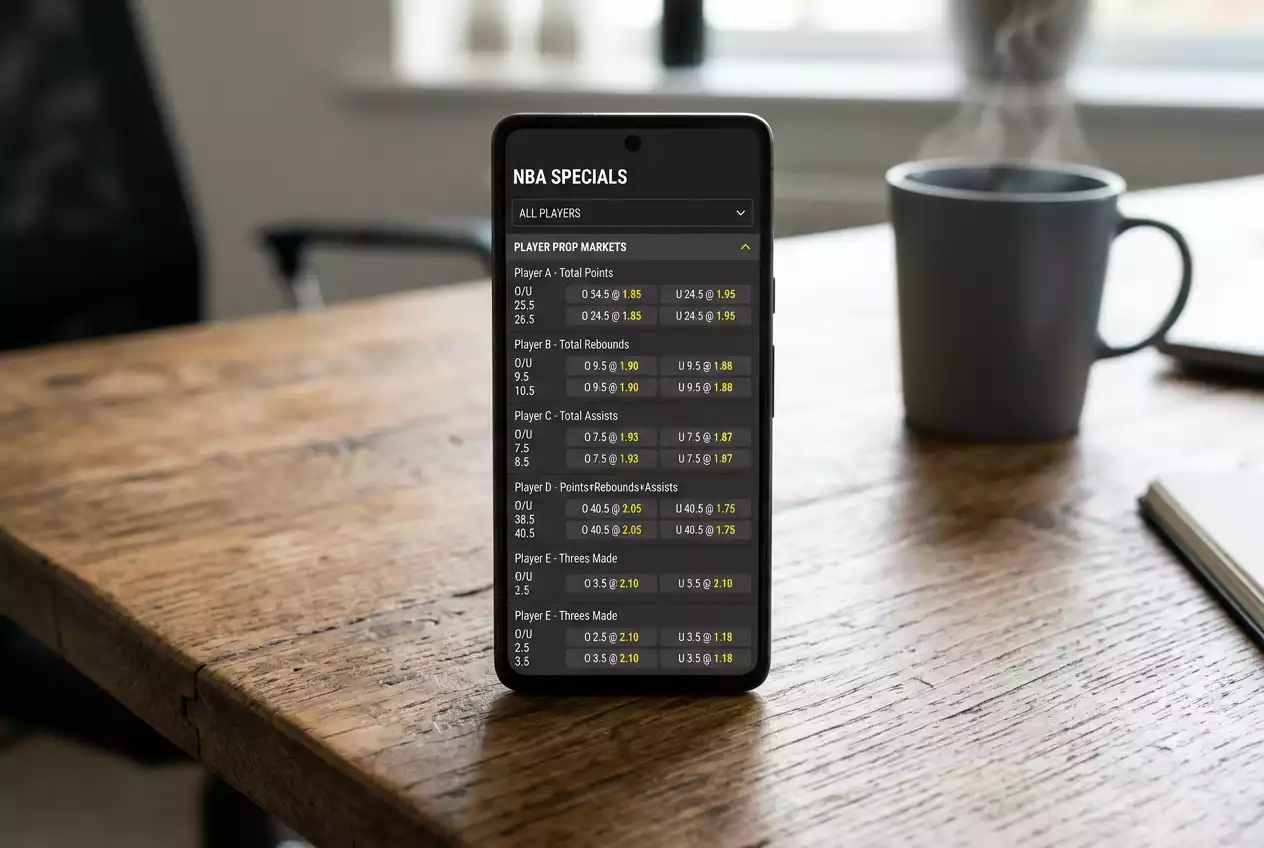
On a home-home or short-travel B2B, the typical star loses 1-2 minutes from his rotation — barely enough to matter for a points line. On a cross-country B2B with a time-zone change, the loss can stretch to 4-5 minutes, which does matter for tightly-set props at 24.5 or 26.5. Older stars and players returning from injury lose more across all three categories, and load-managed stars sometimes lose all their minutes when the team rests them outright.
Are unders on threes really the best B2B angle?
In my own tracking it’s the angle that has held up most consistently across seasons, specifically on high-volume shooters during the third flavour of B2B — the cross-country trip. The fatigue effect on three-point percentage is mechanical, not psychological, and the books haven’t fully priced the difference between B2B flavours. That said, the edge is small and the variance is real. A handful of nights a month qualify, not a handful per week.
The Schedule Is a Free Variable
Most prop inputs cost effort to compile — pace tables, usage rates, lineup tracking. The schedule is free. The NBA publishes it months in advance, the B2B counts are visible at a glance, and the injury report cycle is predictable to the hour. What you’re doing with the schedule is filtering, not modelling. You’re identifying the nights where one specific flavour of fatigue creates a specific kind of mispricing, and you’re skipping the rest.
The bettor who treats every B2B as a generic “they’re tired” angle is going to lose more than they win because the books are sharper than that. The bettor who differentiates the three flavours, watches the injury wire, and bets selectively into specific stat categories on specific kinds of B2Bs is taking the schedule seriously. The schedule rewards seriousness with a quiet half-percent of edge across a season. It punishes lazy reads with the steady drip of a bankroll that doesn’t quite recover.
Written by the editors at nba Props Betting.