NBA London Game 2026: O2 Attendance and Market Data
 Available in US
NBA London Game Data: O2 Arena Sell-Out Metrics
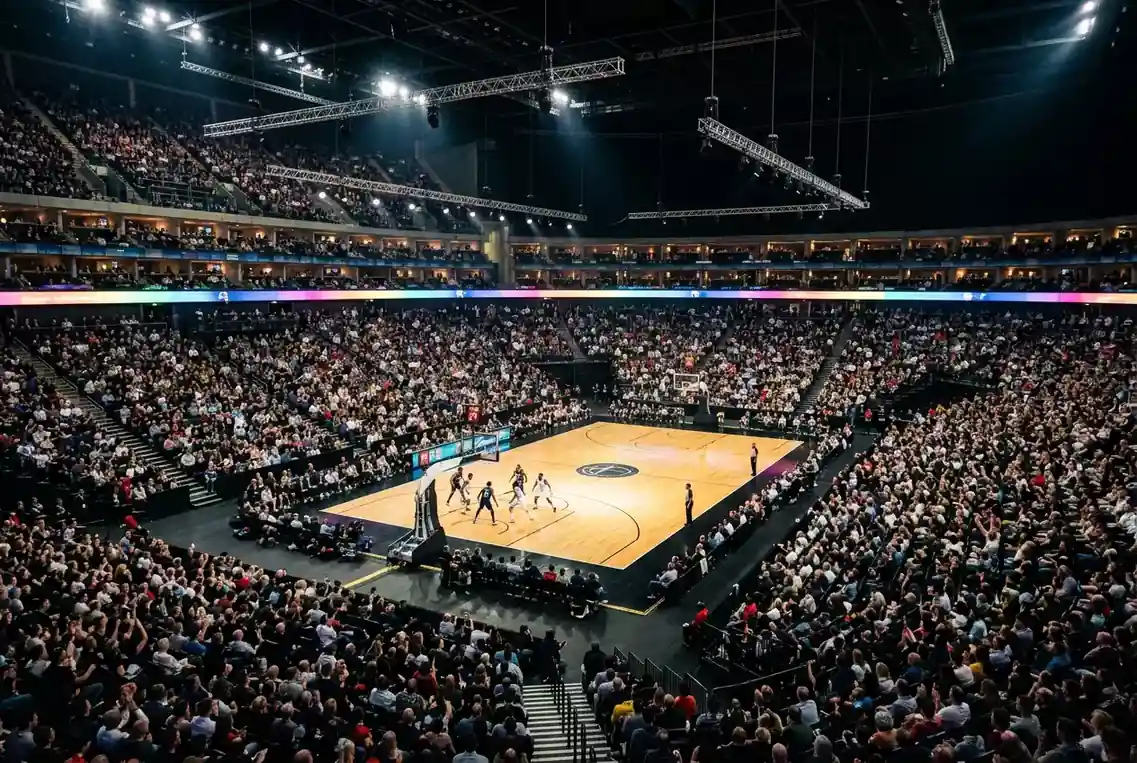
I was sitting in the upper bowl of the O2 on the night of 18 January 2026, sandwiched between a couple from Manchester who’d flown down for the weekend and a teenager wearing a vintage Iverson jersey. The opening tip felt like a mid-season game in Memphis or Orlando, which is to say it felt fast, loud and slightly under-rehearsed. By the third quarter the noise was the kind of arena noise that doesn’t happen at most NBA regular-season games. By the final buzzer the building had filled to a sell-out crowd of 18,424 and the conversations on the way down to North Greenwich Tube were the kind of basketball conversations you don’t usually hear on the Jubilee line.
The Memphis Grizzlies and Orlando Magic weren’t a marquee fixture by NBA League Pass standards — neither team was leading their conference, neither carried a transcendent star — but the date and the venue made it a marquee fixture for UK basketball. This was the third NBA Global Game at the O2 since the format relaunched, and the numbers it produced were materially different from the comparable London Games of 2018 and 2019. That’s the part that matters for anyone watching where this league sits in the UK sporting landscape.
Attendance, Viewership and Why It Was a European Record
The headline numbers are all worth repeating because they reset the baseline for what an NBA Europe event can deliver. Attendance came in at 18,424 — a sell-out crowd at the O2’s basketball configuration, with reseller markets running tickets at multiples of face value in the days before tip-off. The viewership number, which mattered more to the league office than to the people in the building, was even more striking. The 2026 London Game became the most-watched NBA London Game in European history on Prime Video, with viewership up 90% on the previous London Game in 2019.
That 90% is the number that should make every NBA market researcher raise an eyebrow. A 90% increase on a comparable event seven years earlier is not normal sports growth — Premier League viewership across the same window has moved in single digits, NFL international viewership has grown but on a different curve, and most legacy sports have gained or lost ten or fifteen percent over a similar period rather than nearly doubling. The London Game of 2019 was a successful event by 2019 standards. The London Game of 2026 was a different scale of event, on the same court, in the same arena, with arguably a less marketable matchup.
The broader context the league’s announcement sat inside was that the 2026 NBA Global Games — Berlin and London combined — became the most-watched in UK history. That framing is the one the press releases led with, but for someone trying to understand where UK basketball demand actually sits, the London-specific 90% figure is the one to remember. It’s a single-event comparable that controls for most of the variables that usually muddy international viewership data.
Prime Video’s UK Audience Surge
The arena number tells one story. The streaming number tells a bigger one. NBA viewership on Prime Video in the UK grew 444% year-over-year in the 2025-26 season, a number Amazon and the league were happy to publicise because it underwrote both the rights deal and the international push as a strategic priority.
A 444% increase isn’t sustainable forever — these multipliers tend to compress as audiences mature — but it’s the kind of growth that reshapes how operators and broadcasters plan around basketball as a UK sport. The viewership wasn’t concentrated on a single marquee game. It was distributed across the regular-season slate Prime Video carried, with the London Game representing a peak rather than a one-off spike. The audience that turned up for the O2 broadcast had been growing all season; the London Game cashed in attention that had been accumulating for months.
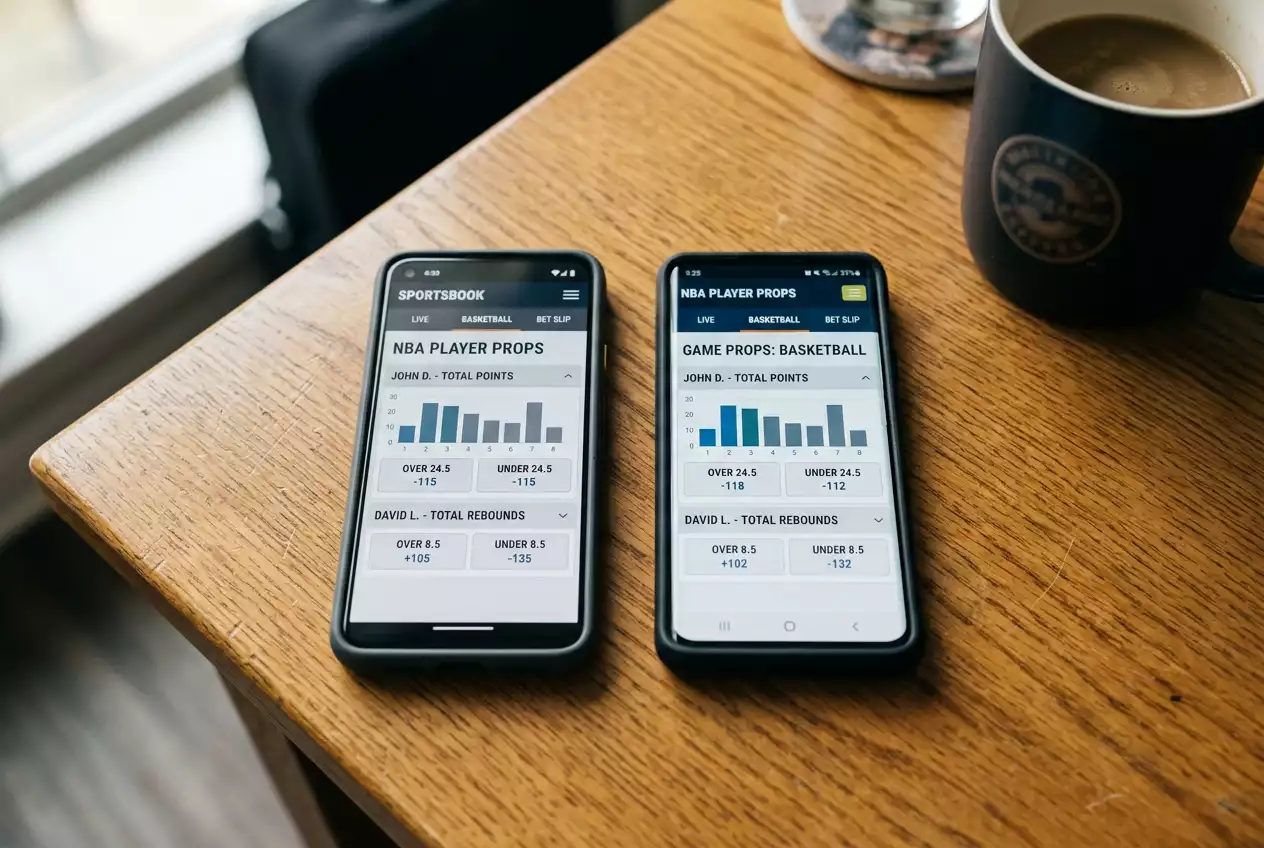
For prop bettors specifically, the audience growth matters because it pulls operator attention with it. UK sportsbooks invest in prop depth where they see consistent betting volume, and consistent betting volume follows consistent viewership. The 2025-26 season saw NBA prop menus on UK books expand to include alt-line bands, deeper bench-player markets and more aggressive bet builder coverage than in previous years. The audience grew. The product grew with it.
The O2 Production Story
I spent the morning of game day walking through the O2’s media area watching the production crew adapt the arena from its standard concert configuration to a basketball one. AEG, which operates the venue, has done this drill before — the O2 has hosted NBA Global Games multiple times, NHL games, boxing, MMA, and a steady drumbeat of international sport over the years. The conversion is fast and the result is, to my eye, the cleanest NBA-in-Europe production I’ve seen.
The atmosphere in the run-up to the game was visibly different from a standard O2 event. The pre-game fan zones were full by 5pm. The team-store queues stretched along the concourse. The on-court warm-up drew a crowd that filled most seats by the time the players started shooting around. AEG’s team had clearly built the production around UK fan expectations rather than just airlifting an American template. Alex Hill, AEG International’s president and CEO, framed it from the venue side: “We’re honoured to welcome the NBA back to our iconic venue in London — renowned for hosting some of the world’s premier sporting events.” That tone of mutual benefit — venue and league each leaning on the other’s brand — was visible in the production.
The hospitality and corporate side told the same story. Premium boxes were sold out months in advance, with reseller activity on the secondary market running well above Premier League equivalent fixtures at the same venue. The signal that an NBA Global Game can stand alongside top-tier domestic sport in commercial appeal — not just in raw ticket sales, but in the price the market is willing to pay — was probably the most important business takeaway from the night.
What This Means for Future NBA Europe Events
The line you keep hearing inside league offices is that 2026 was the proof point that international Global Games in core markets — London, Berlin, Paris — have crossed from “experiment” to “scalable product”. Whether that translates to multiple London Games per season or a different format entirely depends on a set of decisions that aren’t yet public, but the data underneath the conversation has clearly shifted.
The hardest constraint on NBA Europe is the calendar. NBA teams play 82 regular-season games over six months, and pulling a team across the Atlantic for a single mid-season game costs them rest and rotation flexibility. The league has experimented with structuring international trips to minimise that cost — combining Berlin and London into a two-game European swing for the same teams, for instance — and the success of the 2026 swing is likely to make that template the working blueprint for the next two or three seasons.
The longer-term conversation is about whether NBA Europe becomes a separate league entity rather than a calendar-side experiment. That conversation has been bubbling for years and the 2026 London numbers don’t settle it, but they raise the financial credibility of the project. UK bettors, broadcasters and basketball-adjacent commercial actors should plan for an environment in which NBA-related events in London are more frequent rather than less. The audience is here. The infrastructure is here. The financial case has just been made publicly. For a fuller picture of how this London evening fits into the broader UK NBA picture — viewership, participation, betting volume — the wider walkthrough on the NBA in the UK scene connects the dots.
London Game FAQ
Two questions on the 2026 London Game show up in every conversation I have with someone who watched it but missed the headline numbers, and they’re worth direct answers.
What was the official attendance at the 2026 London Game?
The official attendance was 18,424, a sell-out crowd at the O2 Arena’s basketball configuration. The crowd figure reflects the venue’s full capacity for the basketball court layout — slightly different from the concert configuration, which can host larger audiences. The reseller market ran prices well above face value in the days before tip-off, which is the cleanest signal that the demand was deeper than the headline sell-out indicates.
Is the NBA returning to London in 2027?
The NBA hasn’t formally announced a 2027 London Game at the time of writing, but every public signal from the league office and from AEG points toward continuing the European Global Games format. The 2026 success — record viewership, sell-out crowd, strong commercial response — makes a 2027 fixture commercially attractive. The exact date and matchup will be announced through the standard NBA Communications channels closer to the start of the 2026-27 season.
One Night, A New Baseline
The frame I’ve come back to most often when thinking about the 2026 London Game is that it reset the baseline for what UK NBA demand looks like, rather than peaking it. The 2019 London Game looked, at the time, like a strong indicator of NBA interest in Britain. Seven years later it looks like an early waypoint on a curve that’s still climbing.
The numbers from the night — 18,424 in the building, 90% viewership growth versus the comparable 2019 event, 444% Prime Video growth across the season as the underlying audience trend — are the kind of numbers that change how every commercial party in the UK basketball ecosystem plans for the next three to five years. UK bettors live downstream of those numbers in concrete ways: more prop markets, deeper bench coverage, faster line updates on NBA games, and more operator investment in NBA-specific product. The London Game is one night in January. The trajectory it sits inside is the more interesting story.
Published by the nba Props Betting team.